Removals in Richmond upon Thames

Moving home or business premises calls for careful planning, secure handling and a clear process from start to finish. Our removals in Richmond upon Thames are focused on practical moving support for local households and businesses, with services that can be shaped around the size of the load, the access at each property and the handling needs of individual items. We offer straightforward help with lifting, transport and placement so the move feels organised rather than improvised.
If you are comparing options, choosing the right type of removals service matters as much as the vehicle itself. Some moves are best handled as a full house removal, while others need a smaller man and van arrangement for a lighter load or a short local transfer. We also support moves where packing help, furniture protection or temporary storage are part of the plan, so the move can be arranged as one joined-up job rather than a series of separate tasks.
For a clear estimate, request a quotation once you know what needs moving and any access details that could affect the job. A concise description of the property, the main items and the destination is usually enough to begin a useful conversation. If you would like to compare service options first, start with our removal services and then decide whether the move needs a full team, a van-led solution or something more tailored.
House and flat removals

House and flat removals are often the core of a move, and the right approach depends on the volume of furniture, the access at both addresses and how much preparation is needed before loading begins. We handle everyday household items, larger furniture and boxed contents with a methodical approach that helps reduce handling stress on the day. Where a property includes narrow stairs, limited parking or shared entrances, the moving plan should reflect those constraints from the outset.
Many customers prefer a service that stays practical rather than overcomplicated. For that reason, our house removals option is suitable for full domestic moves, while flat removals can be a better fit where lifts, stair access and compact loading points are part of the picture. If the move is smaller or more flexible, a man and van style arrangement may be enough, especially for short-distance moves, partial loads or single-room transfers.
The most useful preparation is usually simple: keep aside items you need immediately, separate valuables or documents you want to carry yourself, and make sure the main pieces to be moved are identified clearly. Photographs and a brief inventory can help with planning when there are fragile items, disassembly needs or a mix of boxed and loose possessions. When you are ready, ask for pricing based on the real contents rather than guesswork, and keep the enquiry focused on what is actually moving.
Packing, protection and careful handling

Packing has a major influence on how smoothly a move proceeds. Well-packed boxes are easier to stack and safer to carry, while properly wrapped furniture and protected corners reduce the chance of avoidable scuffs. Our packing-related support is intended for customers who want help bringing order to the move, whether that means supplying materials, packing the whole property or dealing with selected fragile or awkward items only.
Where packing support is needed, it can be paired with packing and boxes or a fuller packing and unpacking service. That is particularly useful for busy households, older customers who want less lifting, or office teams that need files, equipment and everyday items kept grouped logically. The service can also help when the timetable is tight and the work needs to be divided into clear stages rather than left until the moving day itself.
Good packing is not only about boxes. It also involves how furniture is prepared, whether loose parts are bagged and labelled, and how delicate surfaces are wrapped before loading. Glass, mirrors, artwork and electronics need different treatment from books or clothing, so each category should be handled according to its weight and shape. If you are uncertain about materials, use the quotation request to outline the mix of items and any special care points that matter.
Furniture, bulky items and specialist lifting

Large furniture can create the most difficult part of a move, especially where door frames, stair turns or lifting angles are tight. Our furniture removals service is designed for items that need more than a simple lift and load, including wardrobes, tables, sofas, beds and other sizeable pieces that benefit from careful handling. The work can include planned movement through the property, protection of surfaces and sensible loading order so the heavier items are secure in transit.
For particularly awkward items, a narrower service may be more suitable. Furniture removals can focus on the safe movement of larger household pieces, while furniture pick-up suits customers collecting single items, replacing a few pieces or arranging a one-off transfer. Where the item is especially delicate or unusually heavy, such as a piano, it is better to choose a service that reflects the handling demands rather than treat it as standard furniture.
Specialist lifting also benefits from clear access information. Steps, basement entries, shared corridors and tight loading points all affect how the job is planned, and the right vehicle choice matters just as much as the manpower. If you need to move one oversized item or a mixed set of bulky possessions, send the details together so the estimate reflects the actual work instead of a rough assumption.
Office and commercial removals
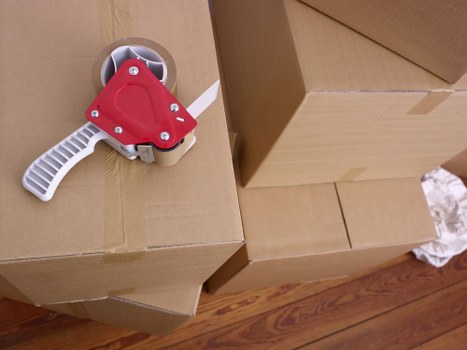
Commercial moving work calls for a different rhythm from domestic removals. Office removals usually involve desks, seating, storage units, screens, files and equipment that must be moved in a way that keeps the workspace orderly and the essentials identifiable. Our removals support for businesses in Richmond upon Thames can cover planned relocation work where items need grouping, labelling and careful handling so that setup at the new premises is easier to manage.
Where a company needs a broader move, office removals are suited to clearing and transferring the contents of an office environment, while commercial moves can cover more varied business premises and equipment. If the move is limited to a smaller unit or a simple transfer between offices, a controlled loading plan and the right transport arrangement may be all that is needed. Keep the arrangement practical, with the scale of the move matched to the tasks involved.
Because business moves often involve interruptions to working hours, the best quotation is one that reflects access, volume and the sequence of tasks rather than a broad estimate. Ask for a quotation once the main items, floor levels and any time constraints are clear. That allows the work to be planned sensibly and helps avoid surprises when equipment or furniture is larger than it first appeared.
Storage and between-address flexibility
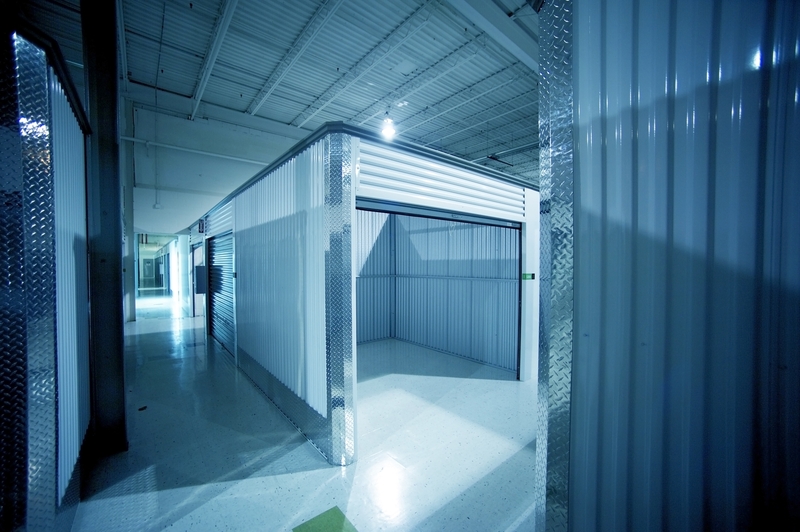
Sometimes the move cannot be completed in a single sequence. Keys may be delayed, a renovation may still be underway, or you may want to move certain items out before the final address is ready. In those cases, storage can be a practical part of the moving plan rather than an afterthought. It helps keep the process flexible when the schedule between leaving one place and settling into the next is not perfectly aligned.
Our storage-related options can work alongside the main move when items need to be held securely for a short period or when only some possessions can travel immediately. Customers often use this type of arrangement for furniture, boxes or mixed household contents that are not needed straight away. If you are also comparing transport choices, the storage stage can be coordinated with a moving truck or a removal van depending on the volume involved and the ease of loading.
When storage is part of the job, it helps to separate what must be accessible from what can be packed away. This is especially useful for documents, seasonal items and furniture you do not need immediately. A clear list of what should remain in short-term storage makes the plan easier to manage and supports a more accurate quotation.
Vehicle choice and moving support
The right vehicle can make a surprising difference to a move. A smaller load may suit a van-based service, while a larger household move or a business relocation may require more space and a different loading approach. Choosing the right transport is not about over-ordering; it is about matching the means of transport to the contents, the access and the route between addresses.
Where suitable, our man with a van and man with van options can provide a straightforward approach for lighter moves, single-item transport or jobs that need flexibility rather than a full removal team. For loads that are larger, a removal truck hire style arrangement may be better suited to the volume of furniture or boxes. The point is to keep the transport matched to the task, not forced into a one-size-fits-all format.
It is also worth considering timing and loading access together. If a move involves multiple floors, restricted parking or several delivery points, the loading sequence should be thought through before the day arrives. When you send the details for pricing, include the main items, the address type and anything that could affect parking or carrying distance so the response is properly grounded.
Pricing factors and quotation details
The cost of a removal job is usually shaped by a small number of practical factors: how much needs moving, how far it has to travel, whether packing or dismantling is required, and how easy it is to load and unload. Time spent on stairs, narrow access or awkward parking can also affect the scale of the work. A realistic quotation begins with those details rather than with assumptions about the size of the property alone.
Our pricing and quotes page is useful if you want to understand how estimates are prepared, while contact us is the natural next step once you are ready to share the move details. If the move includes items that need a more cautious approach, such as a piano or specialist furniture, say so early so the quotation reflects the handling requirements as well as the transport itself. That helps keep the process straightforward.
For the clearest result, make a brief note of what is going, what is staying, and whether any pieces need dismantling or reassembly. Accurate information at the start usually saves time later and makes comparison between options much simpler. If you are still deciding between a full move, a van-led option or a service with packing support, the quotation stage is the right time to narrow that choice down.
About Richmond upon Thames
Richmond upon Thames is a London borough in the south-west of the capital, known for its unusually varied landscape of town centres, riverside settings and large areas of open space. The borough takes its name from Richmond, a historic settlement on the Thames, but it also includes places such as Twickenham, Teddington, Kew, Barnes, Hampton, Mortlake and St Margarets. The River Thames is one of its defining features, curving through the borough and linking a series of well-known riverside walks, parks and historic views. Richmond Park, originally created in the seventeenth century as a royal hunting ground, remains one of the borough’s most distinctive landmarks and is notable for its wide grassland, woodland and free-roaming deer. The area also contains important botanical and architectural sites, including Kew Gardens, whose plant collections, glasshouses and historic landscape have international recognition. The borough’s built environment ranges from Georgian and Victorian terraces to later suburban streets, with Richmond itself retaining a strong sense of a market town centre and Twickenham long associated with rugby and sporting heritage. The riverside has shaped local life for centuries, supporting wharves, leisure routes and settlement patterns, while bridges, towpaths and green corridors create a strong connection between neighbourhoods that can feel quite different in character. Cultural life is supported by theatres, local museums, independent shops and long-established community venues, giving the borough a mix of heritage and everyday urban activity rather than a single dominant identity.
Home moving arrangements
Domestic removals often need a blend of planning and flexibility, especially when the contents include a mix of furniture, kitchenware, books, clothing and household equipment. Our home moves service is intended for customers who want the main transport and lifting handled in an organised way, whether the job is a full household relocation or a smaller partial move. The work can be tailored to the amount of preparation already completed and the level of help still needed.
Some moves are straightforward on paper but more involved in practice because of access, packing or the number of rooms involved. If you are moving from a property with several floors, loose garden items or a mixture of small and bulky contents, the plan should reflect the actual load rather than the property type alone. You may also find that combining transport with same day removals is suitable when timing is the main concern and the move needs to happen within a limited window.
When asking for a quotation, keep the scope honest and specific. Include the key rooms involved, any items needing disassembly, and whether the move includes boxes only or a broader mix of furniture and household contents. If you are comparing a domestic move with a lighter van-led transfer, the difference in scope should be clear at the outset so you can choose the option that best matches the job.
Preparing the move and making the enquiry
A good removal enquiry is one that helps the mover understand the job without overwhelming them with irrelevant detail. The most useful information is the size of the move, the addresses involved, access conditions and any items that need special handling. Once those points are clear, the quotation can be shaped around the real work rather than around general assumptions about what a move might involve.
If you want to make the process smoother, set aside the items that must travel separately, label anything that is fragile or especially valuable, and note whether there are narrow stairs, lifts or parking restrictions. Those small details help when planning the order of loading and unloading. When the main service is already chosen, one last practical step is to ask for the estimate and then compare it with the level of help actually required.
Request a quotation today if you are ready to move ahead, or take a final look at the relevant service pages to decide which format fits your property and your timescale best. A concise enquiry is usually enough to start the process, and a clear scope makes it easier to arrange a move that feels orderly from the first box to the final delivery.